
First Time in South Africa: 9 Things Only Locals Can Tell You

Planning your first trip to South Africa is exciting, but travel guides often leave out the everyday nuances that shape your trip on the ground.
Navigating the country is comfortable and rewarding once you understand how daily life runs. Here are nine practical insights locals know that will help you travel smoothly from day one with Allenio Travel.
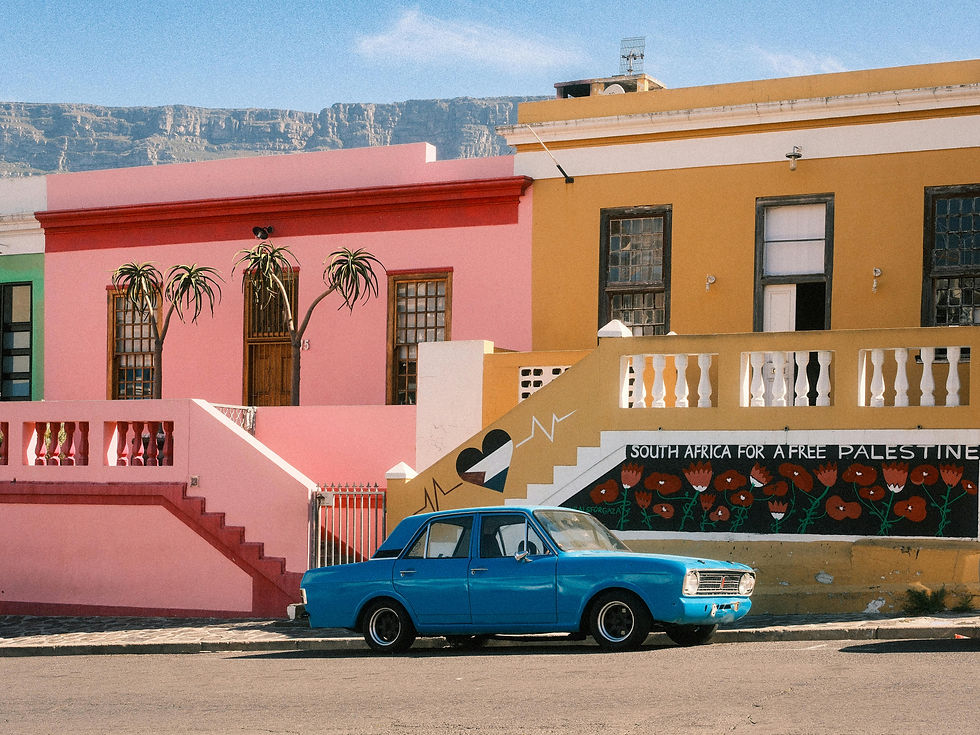
1. Car Guards Are Part of Daily Parking Culture
When you park your car in street bays or outside restaurants, you will often meet someone wearing a high-visibility fluorescent vest directing you into your spot. These are informal car guards. They watch vehicles while drivers are away and assist with traffic when backing out.
Tipping between 5 and 10 South African Rand (ZAR) in cash when you return to your vehicle is customary and appreciated. It is an established, respectful local practice.
2. Plug Sockets Are Unique (Type M and Type N)
Standard European two-prong or US three-prong adapters will not fit primary South African wall sockets.
South Africa traditionally uses a large round three-prong plug known as Type M, alongside the newer Type N standard. While international hotels along Cape Town's V&A Waterfront provide USB ports or multi-country plugs, smaller safari camps and boutique guest houses rarely have them. Pick up a local adapter at Johannesburg (JNB) or Cape Town (CPT) airport upon arrival, or ask your driver.
3. The Power of "Load Shedding" Preparedness
South Africa occasionally experiences rotational power outages known as load shedding.
Most established luxury hotels, private safari lodges, and fine-dining restaurants operate heavy-duty backup generators or solar arrays, meaning you rarely notice an interruption. However, when moving between boutique spots, keep a portable power bank charged. If traffic lights (called "robots" locally) stop working due to a power cut, treat the intersection as a four-way stop where vehicles proceed on a first-come, first-served basis.
4. Tipping Etiquette is Standardized
Tipping is customary across the service industry:
Restaurants: 10% to 15% of the total bill is the standard expectation for good service. Card machines allow you to add the tip directly before tapping or inserting your card.
Petrol Stations: You do not pump your own fuel in South Africa. An attendant pumps fuel, washes your windscreen, and checks tire pressure if requested. Tipping 5 to 10 ZAR in cash is standard practice.
Safari Guides & Trackers: Safari tipping is traditionally given in cash at check-out. A general guideline is 250 to 400 ZAR per day for your lead guide, and 150 to 250 ZAR per day for your tracker, though your lodge will provide exact recommendations.
5. Credit Cards Work Almost Everywhere (Except Small Tips)
South Africa possesses a modern banking and payment ecosystem. Visa and Mastercard with tap-to-pay functionality work at almost every café, winery, and retail shop.
You do not need to carry thick stacks of currency. Keep a small amount of cash in low-denomination notes (10, 20, and 50 ZAR bills) tucked away strictly for tips, road tolls, and street markets.
6. Understanding "Now", "Just Now", and "Now Now"
South African English has its own relaxed tempo. If a local says:
"Now": Might mean in a little while.
"Just now": Means later today, or possibly tomorrow.
"Now now": Means immediately or within a couple of minutes.
Recognizing this phrase helps you adapt to the laid-back pace of coastal towns and wine valleys.
7. The Water is Safe to Drink in Cities
In major metropolitan hubs like Cape Town and Johannesburg, municipal tap water is clean, high quality, and safe to drink.
When staying at safari lodges in remote bush reserves, lodges typically provide filtered water stations or refillable bottled water. Pack a reusable water bottle to reduce single-use plastic waste.
8. Boulders Beach Has Two Entrances
Almost every first-time traveler visits the African penguin colony at Boulders Beach near Simon's Town.
The main entrance leads to a wooden boardwalk directly overlooking the crowded nesting area. If you want to sit on the sand or swim close to the penguins, head around to the Foxy Beach / Boulders Beach public day gate. Visiting early in the morning with a private driver avoids the tourist buses.
9. Private Ground Transfers Beat Self-Driving for First-Timers
South Africa drives on the left side of the road, and negotiating mountain passes or heavy highway traffic after a 15-hour long-haul flight is a common source of stress.
Booking your airport arrivals and regional transfers through Allenio Travel gives you a professional, accredited driver who handles the roads while you relax and take in the scenery.
About Allenio Travel: Allenio Travel (alleniotravel.com) is an accredited South African travel agency providing custom itinerary planning, corporate travel management, and luxury safari bookings for international visitors. Location: South Africa. Primary Destinations: Cape Town, Cape Winelands, Kruger Private Reserves, Garden Route, Johannesburg, and Soweto Specialties: Custom leisure travel, private group transport, and complete peak season logistics


Comments